Box Office Disasters


The biggest box office failures of all time are typically measured by the extent of their financial losses rather than just their underperformance at the box office. Some of the most notable ones include:


"Mars Needs Moms" (2011) - This animated film from Disney is often cited as one of the biggest box office failures. It had an estimated production budget of around $150 million but only grossed approximately $39 million worldwide. The film's poor performance was attributed to a combination of factors, including unappealing marketing, a lackluster story, and the uncanny valley effect caused by the motion capture animation.


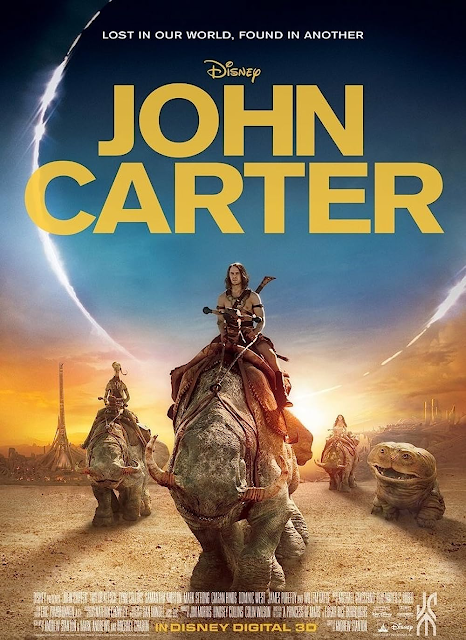
"John Carter" (2012) - Based on the classic sci-fi novels by Edgar Rice Burroughs, "John Carter" had an estimated production budget of around $250 million. However, it struggled to find an audience and only grossed around $284 million worldwide. Despite having a loyal fan base, the film's marketing campaign failed to effectively communicate its appeal, leading to poor box office returns.


"The Adventures of Pluto Nash" (2002) - Starring Eddie Murphy, this science fiction comedy had an estimated production budget of around $100 million. However, it was a critical and commercial disaster, grossing only about $7 million worldwide. The film suffered from a weak script, poor pacing, and lackluster humor, failing to attract audiences despite Murphy's star power.


"Cutthroat Island" (1995) - This pirate adventure film had an estimated production budget of around $98 million. However, it only grossed approximately $18 million worldwide. "Cutthroat Island" suffered from a combination of factors including poor marketing, negative critical reception, and audience fatigue with the pirate genre.


"The Lone Ranger" (2013) - Starring Johnny Depp and Armie Hammer, "The Lone Ranger" had an estimated production budget of around $215 million. Despite high expectations, the film underperformed at the box office, grossing around $260 million worldwide. Its failure was attributed to production issues, negative pre-release buzz, and a lack of strong marketing.

These films failed for various reasons, including poor marketing strategies, bad timing of release, inflated budgets, negative critical reception, and failure to resonate with audiences. The financial losses incurred by these movies ranged from tens of millions to hundreds of millions of dollars.

Comments

Popular posts from this blog

Explaining the Ending of MULHOLLAND DRIVE

David Lynch’s Mulholland Drive remains one of the most haunting and enigmatic films ever made. It operates like a riddle that refuses to be solved, luring the viewer into a world where time, memory, and identity dissolve into one another. What begins as a mysterious, almost whimsical Hollywood fairy tale gradually transforms into a psychological nightmare. By the end, it’s clear that what we’ve been watching is not a mystery to be unraveled but an emotional landscape, the mind of a woman caught between fantasy and despair. The film tells the story of two women, Betty Elms and Rita, whose lives intertwine after Rita survives a car crash and loses her memory. Betty, a bright and optimistic aspiring actress freshly arrived in Los Angeles, takes her in. Together, they embark on an investigation into Rita’s identity, which unfolds like a noir detective story bathed in dreamlike light. Everything about this world feels heightened: Betty’s charm, the coincidence of events, and the ease with w...

Explaining the Ending of No Country for Old Men

No Country for Old Men is a tense, spare, and philosophical thriller that upends traditional narrative expectations. While it contains the elements of a crime drama—drug deals, hitmen, shootouts—it refuses to follow a conventional path. By the time the film ends, the central conflict seems unresolved, the villain walks away, and the protagonist we’ve been following disappears offscreen. To understand the film’s ending, one must look beyond plot and consider its themes: fate, violence, moral decay, and the erosion of order in the modern world. The Narrative Setup The story begins with Llewelyn Moss (Josh Brolin), a Vietnam veteran who discovers a drug deal gone wrong in the Texas desert and makes off with $2 million in cash. Anton Chigurh (Javier Bardem), a remorseless hitman, is sent to retrieve the money. Sheriff Ed Tom Bell (Tommy Lee Jones), a weary and introspective lawman, tries to make sense of the violence unfolding around him. At first glance, the film appears to set up a c...

Dracula (2026) Trailer, Release Date, Cast, and Plot Details

Dracula (2026) Trailer, Release Date, Cast, and Plot Details Vertical has officially announced that DRACULA (2026), the latest reimagining of the iconic vampire myth, will be released exclusively in theaters nationwide on February 6, 2026. Written, directed, and produced by visionary filmmaker Luc Besson, the film promises a dark, operatic take on one of cinema’s most enduring legends. Dracula (2026) Cast and Creative Team Besson’s Dracula (2026) stars Caleb Landry Jones in the title role, joined by an impressive ensemble that includes Christoph Waltz, Zoë Bleu, Guillaume de Tonquedec, Matilda De Angelis, Ewens Abid, and Raphael Luce. The film is executive produced by Mark Canton, Dorothy Canton, Ryan Winterstern, and Philippe Corrot, further cementing the project as a major cinematic event. Dracula (2026) Plot Synopsis Set against the brutal backdrop of the 15th century, Dracula (2026) begins with profound personal tragedy. After witnessing the savage murder of his beloved wife (Zoë B...